From Knowledge to Wisdom, Reflections from My Keynote at YCMOU Dnyandarshan 2026
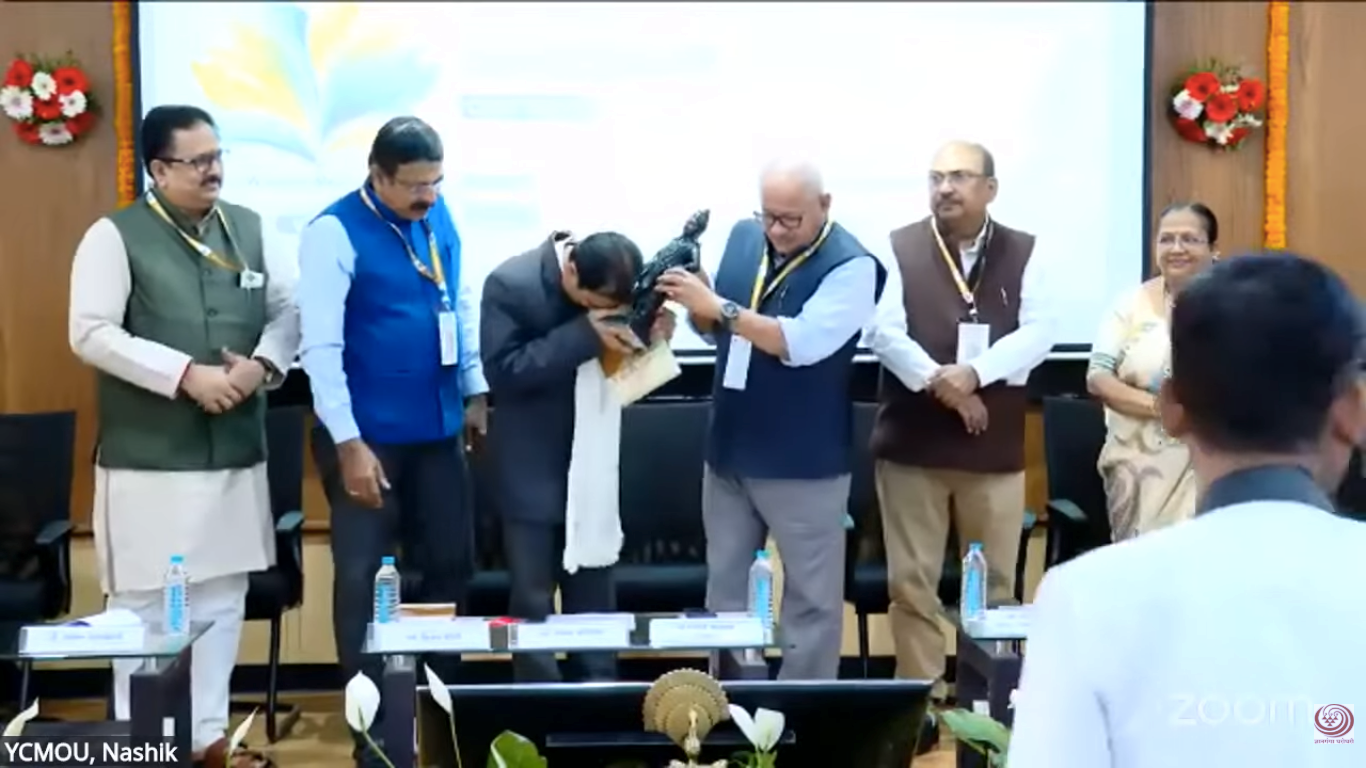
I recently had the privilege of delivering a keynote at Yashwantrao Chavan Maharashtra Open University as part of the National Multidisciplinary Conference “Dnyandarshan 2026.”
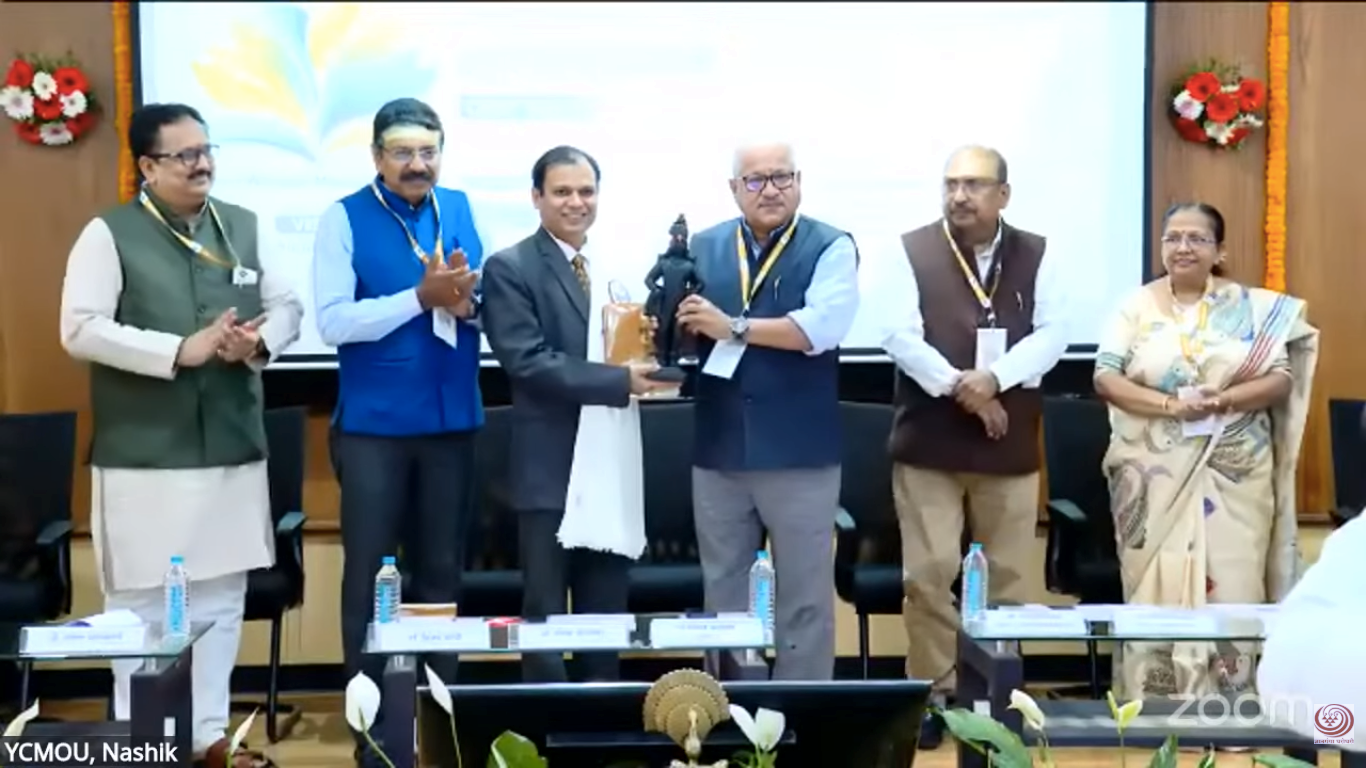
It was a deeply enriching experience.
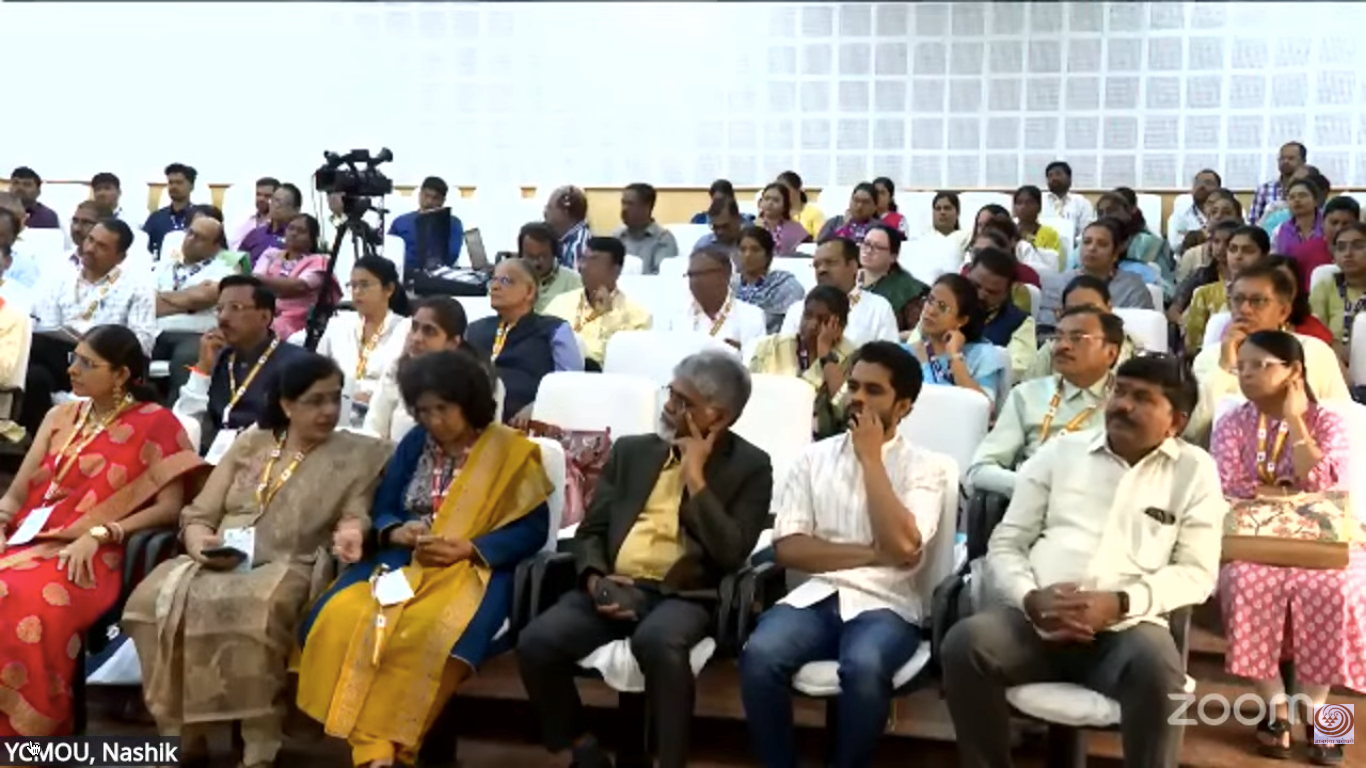
The audience included scholars, researchers, academicians, and industry professionals from diverse domains. What stood out was not just the scale, both online and offline participation was significant but the depth of engagement. The questions raised after the session, and the conversations that continued during informal interactions, reflected genuine curiosity and intellectual openness.
This article is an attempt to share some key ideas from that keynote with a wider audience, especially those who could not attend but are interested in the intersection of technology, knowledge systems, and human development.
The theme of the conference brought together four powerful ideas: digital transformation, Indian knowledge systems, sustainable innovation, and holistic wellness.
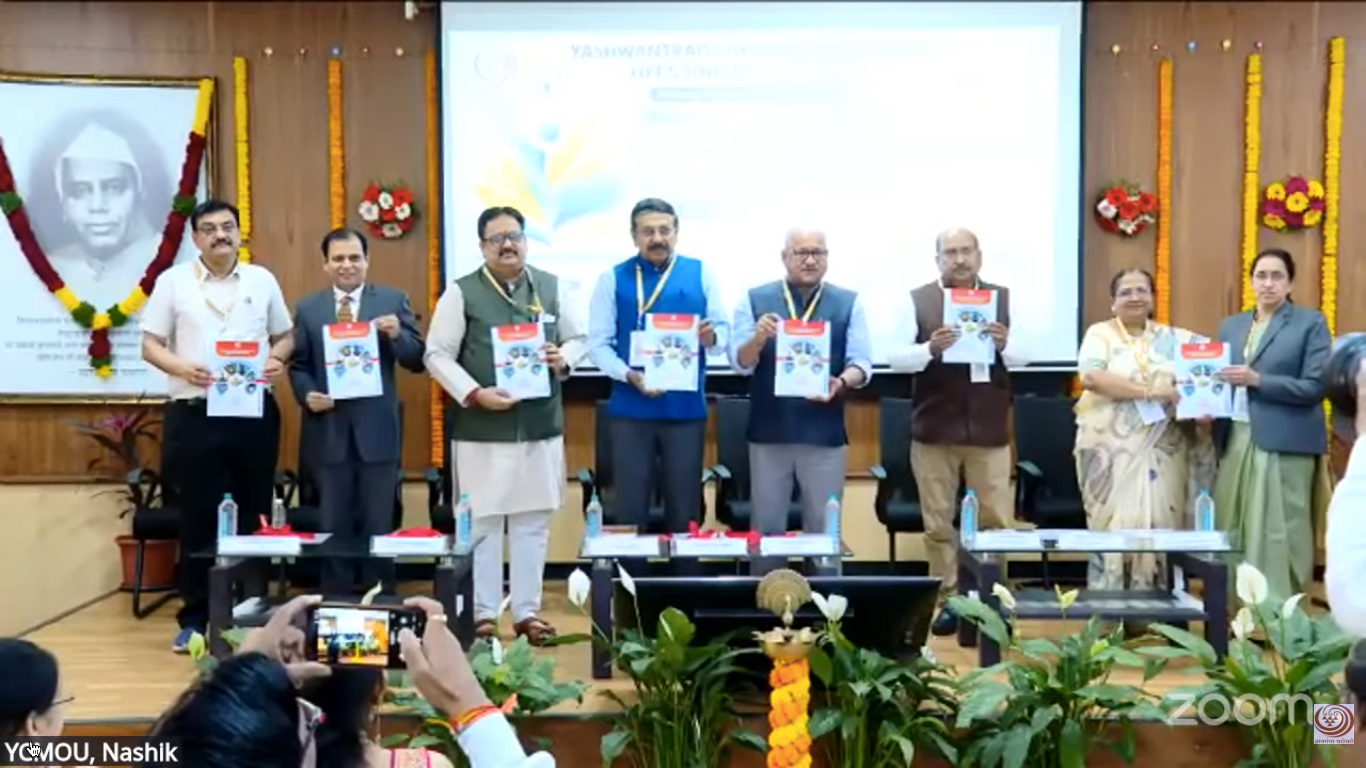
At first glance, these may seem like separate domains. But in reality, they are deeply interconnected.
My keynote focused not just on concepts, but on applied work, three initiatives developed over time that attempt to translate these ideas into practical, usable frameworks.
The first was Spirituality Maps.
This initiative explores how technology can assist individuals in navigating inner awareness. In a world driven by external progress, the inner journey often remains unstructured and inaccessible. Spirituality Maps attempt to create a structured, navigable approach to consciousness using technological tools.
So let us take a look at one of the abstract idea of Koham? Who Am I? from the larger datasets of Spirituality Map at https://koham.khandbahale.org/
The second was Samaysangit.
Inspired by the time-based principles of Indian classical music, this initiative explores how music can support emotional balance. The idea is simple: the right sound, at the right time, can positively influence mental states. In an age marked by stress and cognitive overload, such culturally rooted yet technologically enabled tools can play a meaningful role in mental wellness.
Experience the technology live at: https://khandbahale.org/samaysangit/
The third was Universal Righteousness Principles (URP).
This is a research-based framework that examines how ethical awareness influences governance, leadership, and stakeholder trust. In contemporary systems, we often prioritize efficiency and performance. However, long-term sustainability depends equally on values such as transparency, fairness, accountability, and responsibility.
While these three initiatives operate in different domains—spirituality, music, and governance. They are connected by a common foundation: wisdom-guided human development.
At this point in the keynote, I shared a more personal part of my journey.
The theme of the conference strongly emphasized inclusivity. And for me, this idea is not theoretical, it comes from lived experience.
Many years ago, I faced a simple but powerful challenge: language.
Coming from a non-English background, I struggled to access knowledge that was largely available in English. Around the year 2000, nearly 80% of internet content was in English. This created a significant barrier for millions of learners.
What began as a personal need turned into a small experiment.
I started building digital dictionaries for Indian languages.
The intention was straightforward:
– to help people learn languages,
– to enable translation of ideas,
– and to make knowledge more accessible.
Over time, this effort grew beyond its initial scope. Today, after more than 26 years, it has evolved into one of the largest Indian language digital platforms, serving over 25 million users across 150 countries.
More importantly, it has enabled linguistic communities to not just consume knowledge, but to create and exchange it.
This journey reinforced a simple but powerful insight:
Knowledge becomes meaningful only when it is accessible and inclusive.
And technology, when used thoughtfully, can make that possible at scale.
Looking at all these efforts together, a broader vision begins to emerge.
Technology is not just a tool for efficiency.
It is a medium for empowerment.
It can help individuals explore inner awareness.
It can support emotional well-being.
It can strengthen ethical systems.
And it can democratize access to knowledge.
However, as we move deeper into the age of artificial intelligence and rapid digital transformation, an important question arises.
Not a technological question.
But a human question.
Will technology simply make us more capable?
Or will wisdom help us become more responsible?
Because ultimately, technology determines what we can do.
But values determine what we should do.
The Indian knowledge tradition offers a valuable perspective here.
For centuries, it has viewed knowledge as an integrated system; where science, philosophy, ethics, health, and spirituality are interconnected.
Knowledge was not meant only for advancement.
It was meant for balance.
For harmony.
For collective well-being.
In many ways, the spirit of “Dnyandarshan” reflects this philosophy, knowledge not just as information, but as illumination.
The response from the audience reaffirmed the relevance of these ideas.
The discussions that followed the keynote were thoughtful and multidimensional. Participants raised questions about practical implementation, scalability, interdisciplinary research, and the role of such frameworks in modern institutions.
These conversations were not just academic; they were exploratory and collaborative in nature.
And that is perhaps the most encouraging outcome of such platforms.
I would like to express my sincere gratitude to the organizers, faculty, and leadership at YCMOU for creating such a meaningful and inclusive space for dialogue.
It is rare to find platforms where technology, tradition, research, and application come together so naturally.
As I reflect on this experience, one simple thought stays with me:
Great transformations do not always begin with grand strategies.
They often begin with small, sincere steps.
A personal challenge.
A simple idea.
A willingness to act.
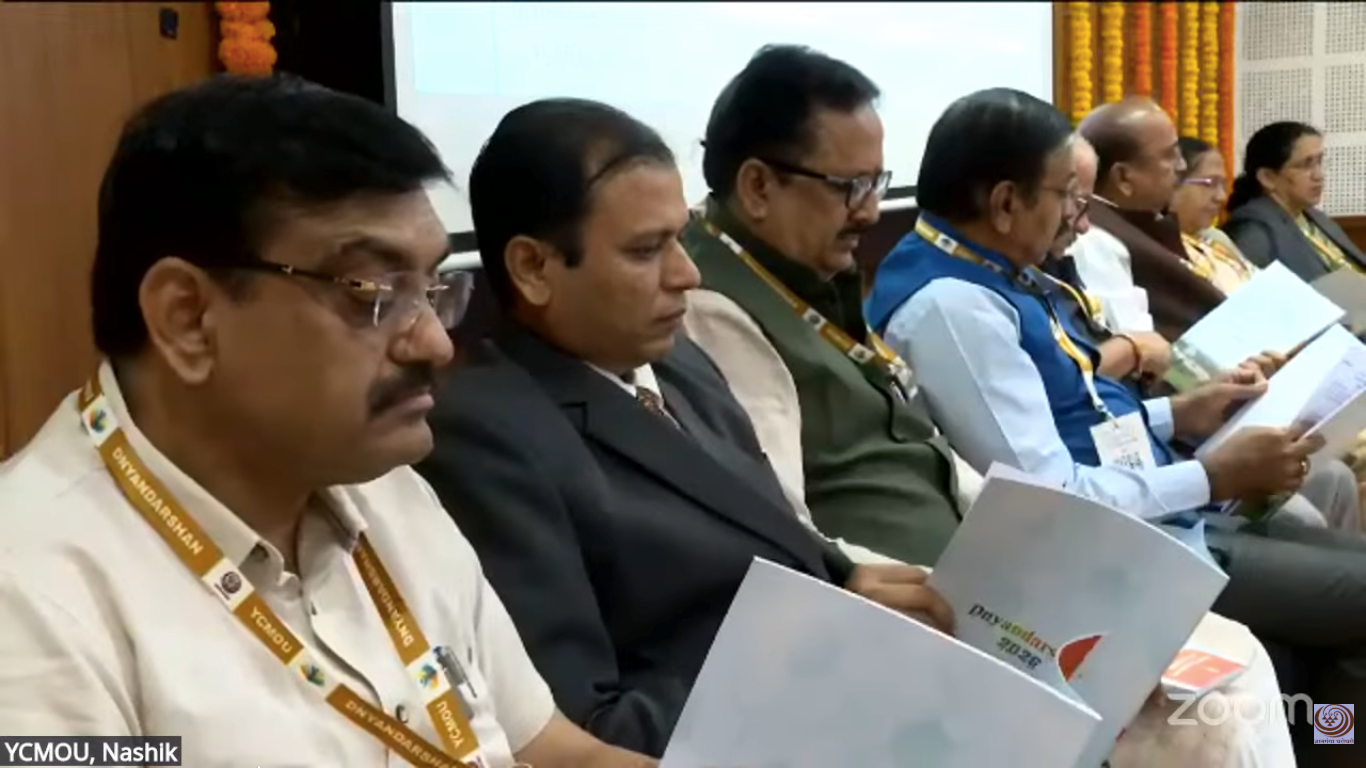
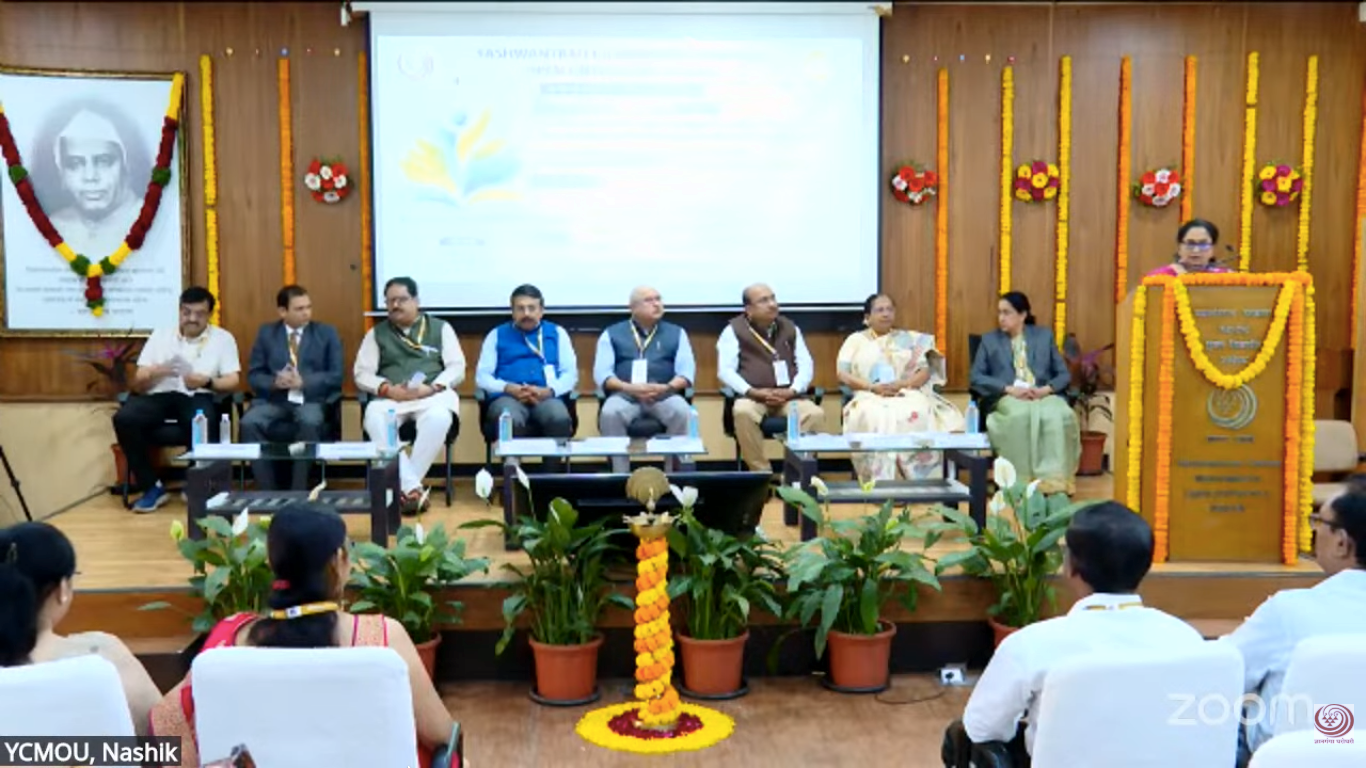
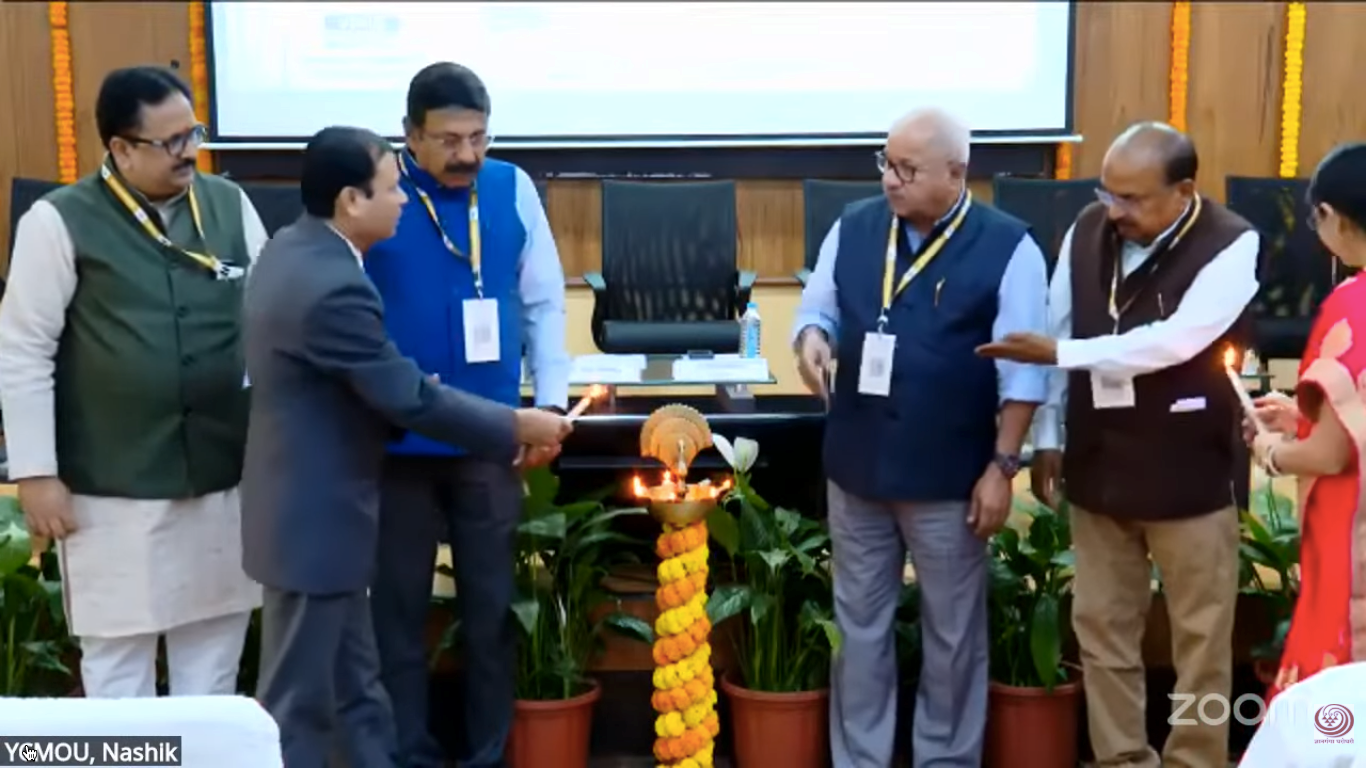
If any of these ideas resonate with you, whether in the context of research, technology development, education, or policy. I would be glad to continue the conversation.
Collaboration is essential if we want to build systems that are not only advanced, but also inclusive and responsible.
I will be sharing photographs and the recording of the keynote session along with this post.
I invite you to watch, reflect, and share your thoughts.
Technology can make our lives smarter.
But only wisdom can make our lives meaningful.
– Sunil Khandbahale, IKS Enthusiast
To watch live complete telecast of the event, Dnyandarshan 2026, organised by Yashvantrav Chavhan Maharashtra Open Univerity, visit https://www.youtube.com/watch?v=7SsOF-z94Gk