Intense sunlight causes rapid evaporation and reduces stored water. At the same time, drinking water is often wasted or contaminated by dust in the air, fallen leaves, wind-blown debris, and animals — a fact familiar to everyone. Yet an eco-friendly technique for preserving potable water over long periods was popularized by Rani Ahilyabai Holkar.
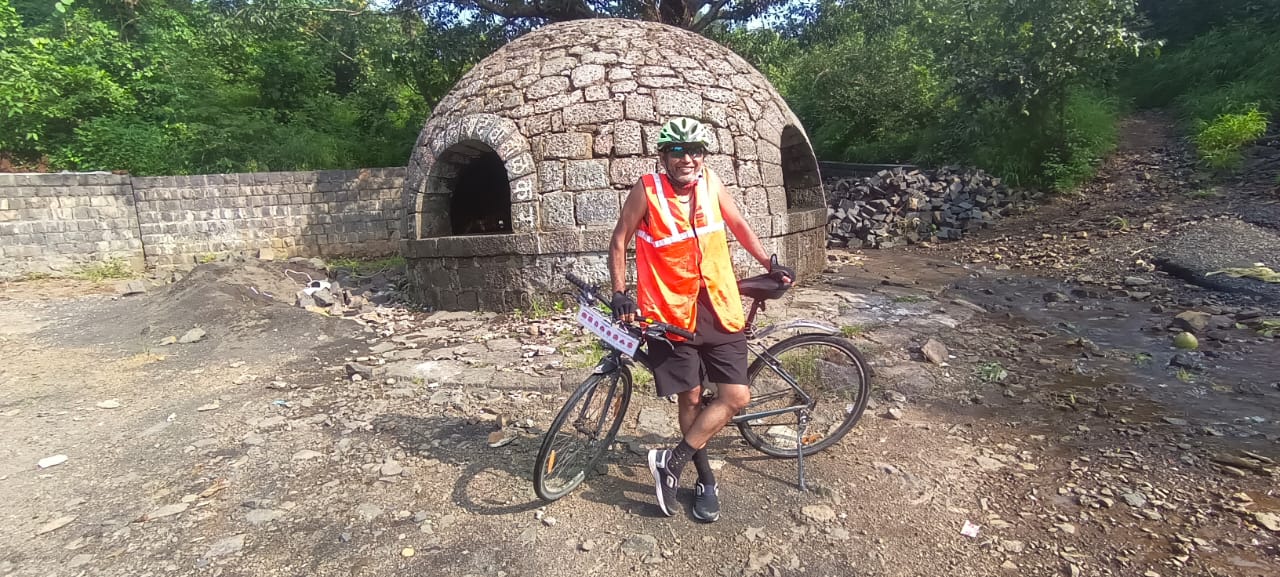
On the Mumbai–Nashik highway you pass Kasara Ghat, originally known as Thal Ghat. Where the ghat ends, to the right and about 14 kilometres from the Ghatandevi temple, there stands a circular, dome-like structure that immediately draws the eye. The ancient structure — roughly inverted in shape or resembling a small dome — sits only about 50 feet off the main road. In earlier times this well was built so travellers and pilgrims could find shelter at the ghat and have access to drinking water.
About 250 years ago Rani Ahilyabai Holkar had this well constructed. Even in the height of summer the well contains abundant water. The well, forty feet in diameter, is beautifully and solidly built entirely of stone. To keep leaves, animals, and other debris from contaminating the water and to reduce evaporation in summer, the structure was designed with three semicircular openings on three sides, forming a circular dome. Stones are layered one upon another to form a roof that resembles the dome of a palace or mansion — a feature that enhances the well’s beauty while helping to keep the water clean. As a result, the well retains potable water throughout the year.
Women from two nearby wadas still draw water from this well all year round. You cannot judge the well’s depth merely by looking at the water it holds. Even today the well remains clean and intact, showing no signs of damage. There are no inscriptions or carvings on it. Because this well was constructed by Lokamata Rani Ahilyadevi Holkar, it is locally known as “Rani Ahilyadevi’s Well.”
Rani Ahilyabai Holkar built wide stone ghats on riverbanks, elegant temples, and rest houses and drinking-water facilities for pilgrims across Maharashtra, Madhya Pradesh, and Uttar Pradesh. Her public works were made for the convenience and welfare of the people. Seeing this well at Kasara Ghat fills one with pride for her legacy. As water scarcity becomes increasingly severe, it is essential to give more thought and conduct further research into such eco-friendly techniques for preserving drinking water over the long term.
पिण्यायोग्य पाणी दीर्घकाळ टिकवून ठेवण्याचे पर्यावरणपूरक तंत्रज्ञान
सूर्यकिरणांच्या प्रखरतेमुळे पाण्याचे सर्वाधिक बाष्पीभवन होऊन पाणी साठा कमी होतो. त्याचबरोबर वातावरणातील धूळ, झाडांची पानें, वाऱ्या-वावधानामुळे आलेला उडत कचरा, पशु-पक्षी पडणे यामुळे पिण्याच्या पाण्याचा अपव्यय होतो हे सर्वांना ज्ञात आहे. परंतु पिण्यायोग्य पाणी दीर्घकाळ टिकवून ठेवण्याचे पर्यावरणपूरक तंत्रज्ञान राणी अहिल्याबाई होळकरांनी प्रचलित केले.
मुंबईहून नाशिक महामार्गावर येताना वाटेत कसारा घाट (Kasara Ghat) लागतो. या घाटाचे मूळ नाव ‘थळ घाट’, असे आहे. घाट जेथे संपतो, तेथेच उजव्या हाताला व घाटनदेवी मंदिरापासून १४ किलोमीटर अंतरावर गोल घुमटाकार वास्तू दिसून येते. साधारण उलट्या आकाराची किंवा घुमट समान दिसणारी ही प्राचीन वास्तू कुणाचेही लक्ष वेधते. बारव (Well) मुख्य रस्त्यातून ५० फूट अंतरावरच आहे. पूर्वीच्या काळात वाटसरुंना, यात्रेकरुंना घाटामध्ये विसावा मिळावा व पिण्याच्या पाण्याची (Drinking water) सोय व्हावी, म्हणून ही बारव बांधली आहे.
जवळपास २५० वर्षांपूर्वी अहिल्याबाई होळकर यांनी ही बारव बांधली आहे. उन्हाळ्यात उंचावर असलेल्या बारवमध्ये भरपूर पाणी आहे. ४० फूट व्यासाची बारव पूर्ण दगडाने सुबक पद्धतीने बांधली आहे. झाड-पाला, जंगली प्राणी पडून पाणी दूषित होऊ नये, तसेच उन्हाळ्यात पाण्याचे बाष्पीभवन होऊ नये, म्हणून त्यावर तीन बाजूंनी तीन अर्धगोलाकार आकाराच्या खिडक्या सोडत गोल घुमटआकाराच्या खिडक्या सोडत गोल घुमट बनविले आहेत. दगडी शिळा एकमेकांवर ठेवत राजवाडे किंवा महालाच्या घुमटासमान हे छत बनवताना बारवच्या सौंदर्यात अजूनच भर टाकत तिची स्वच्छताही ठेवण्याचे काम केलेले दिसते. बारवेत वर्षभर पिण्यायोग्य पाणी टिकून असते.
घाटातील दोन वाड्यांतील महिला आजही वर्षभर याच बारवमधील पाणी वापरतात. बारव किती खोल आहे, याचा अंदाज त्यात असलेल्या पाण्यामुळे येत नाही. मात्र, आजही बारव स्वच्छ व सुंदर असून, तिच्यात थोडीही पडझोड झालेली नाही. बारववर कुठेही शीलालेख किंवा नक्षीकाम नाही. या बारवचे निर्माण लोकमाता राणी अहिल्यादेवी होळकर यांनी केल्यामुळे ‘राणी अहिल्यादेवींची बारव’ या नावाने ओळखतात.
अहिल्याबाई होळकरांनी महाराष्ट्र, मध्य प्रदेश, उत्तर प्रदेशांमधील अनेक तीर्थक्षेत्रांवर नदीकाठी प्रशस्त दगडी घाट, देखणी मंदिरे व यात्रेकरूंच्या सोयीसाठी पाणपोई व धर्मशाळा बांधल्या. जनतेच्या सोयीसाठी त्यांनी बांधकामे केली आहेत.कसारा घाटातील ही बारव पाहून मनोमन अहिल्याबाईंच्या या कार्याचा गौरव वाटतो. पाणीप्रश्न बिकट होत असतांना पिण्यायोग्य पाणी दीर्घकाळ टिकवून ठेवण्याचे पर्यावरणपूरक तंत्रज्ञान यावर अधिक विचार, संशोधन होणे गरजेचे आहे.