Artificial Intelligence in Public Health: Opportunities, Challenges and the Future of Healthcare
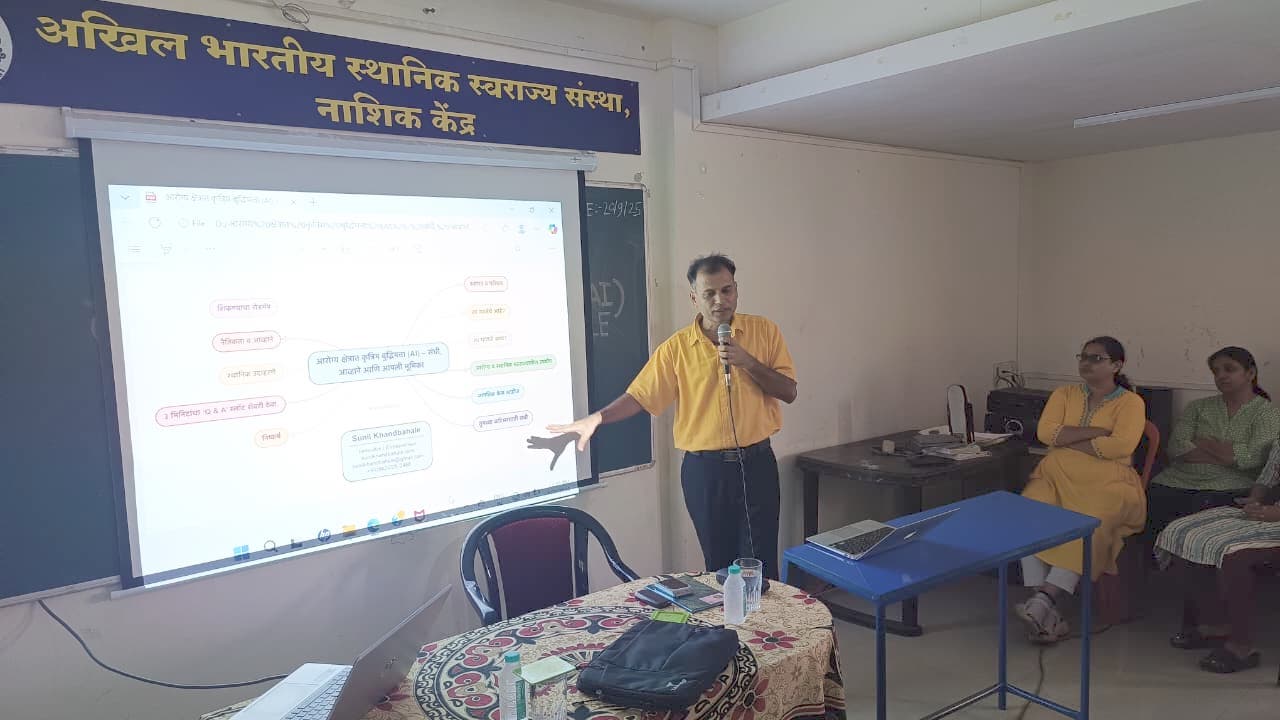
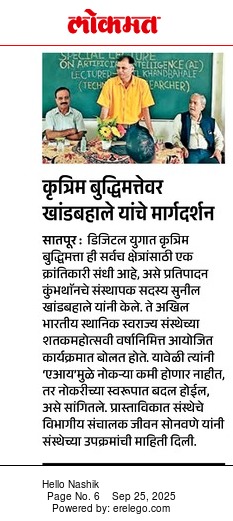
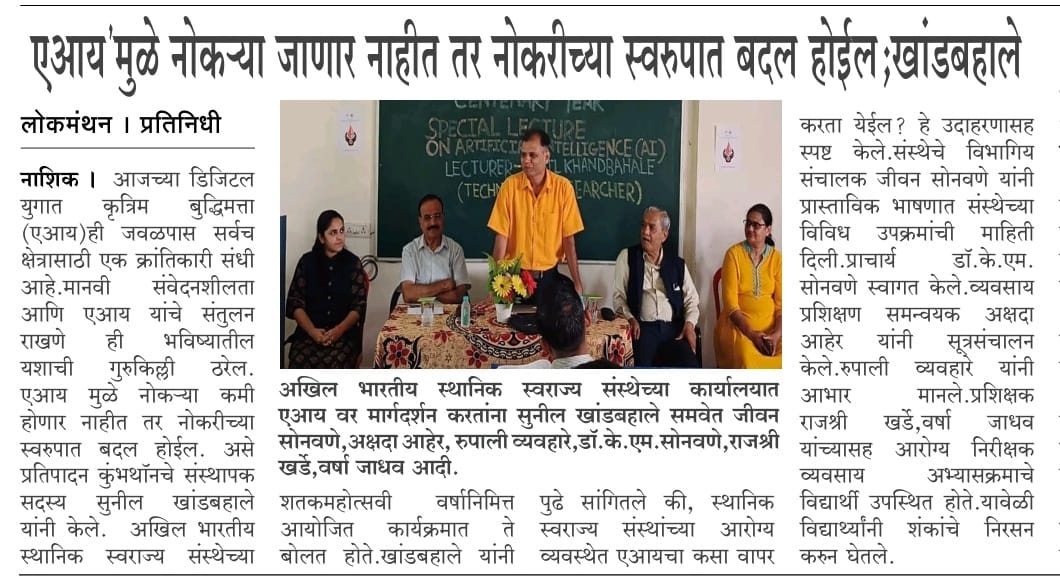
Artificial Intelligence (AI) is not just a buzzword, but a defining force of our era. It is transforming healthcare, public administration, and the very way we live. Recently, I had the privilege to deliver a special lecture on “Artificial Intelligence in Healthcare: Opportunities, Challenges, and Our Role” at the All India Institute of Local Self-Government (AIILSG), Nashik, an institution established in 1926 that has played a pioneering role in capacity building in health, paramedical sciences, disaster management, and local self-governance.
The session brought together bright students and future professionals from diverse courses – Health Inspectors, Paramedical staff, Nursing, Lab Technicians, Fire Safety, and Disaster Management trainees. For me, it was both an honor and a responsibility to interact with them and share perspectives on how AI can become a powerful ally in shaping a healthier and more equitable future.
Why AI Matters in Public Health Today
By 2050, nearly 80% of the global population will live in cities. With rapid urbanization, challenges such as overcrowding, pollution, new diseases, and frequent disasters will rise dramatically. Public health systems can no longer rely on speed alone – they need accuracy, predictive capacity, and data-driven decision-making.
The situation in India highlights the urgency:
- Doctor-to-population ratio (WHO standard): 1 doctor per 1,000 people.
- India’s reality: Around 1 doctor per 1,600–1,700 people (and much worse in rural areas).
- Public health expenditure: Barely 2% of GDP (compared to 6–7% in OECD countries).
The results are evident – overburdened doctors, long waiting times, delayed diagnosis, and systemic stress during pandemics.
And this is not just about physical health. Mental health is becoming one of the biggest silent epidemics. WHO estimates over 150 million Indians require mental health support, yet India has only 0.3 psychiatrists per 100,000 people. The post-COVID world has seen an alarming rise in depression, anxiety, and burnout.
Clearly, the healthcare crisis requires a multi-dimensional solution – not just technology, but a combination of Artificial Intelligence (AI), Emotional Intelligence (EI), and Human Intelligence (HI).
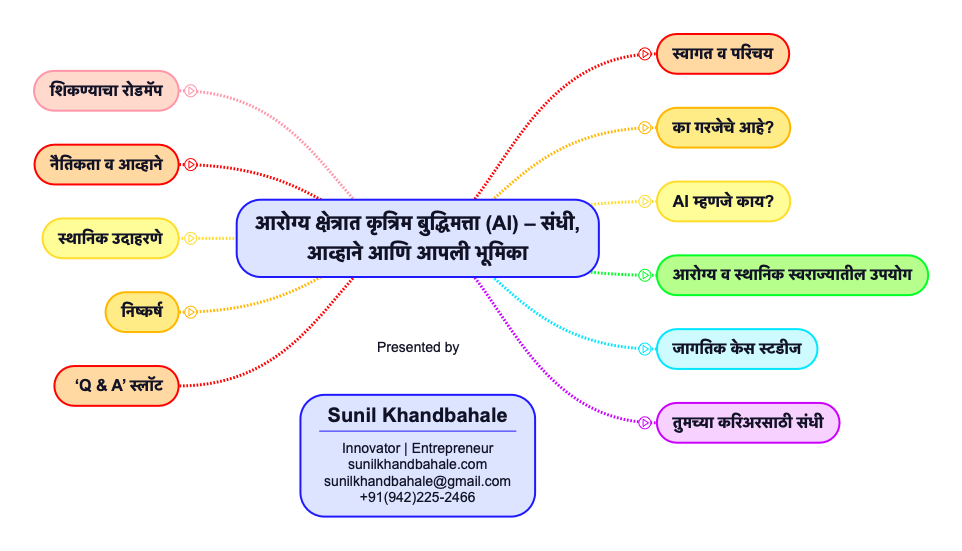
AI in Action: Healthcare & Local Governance
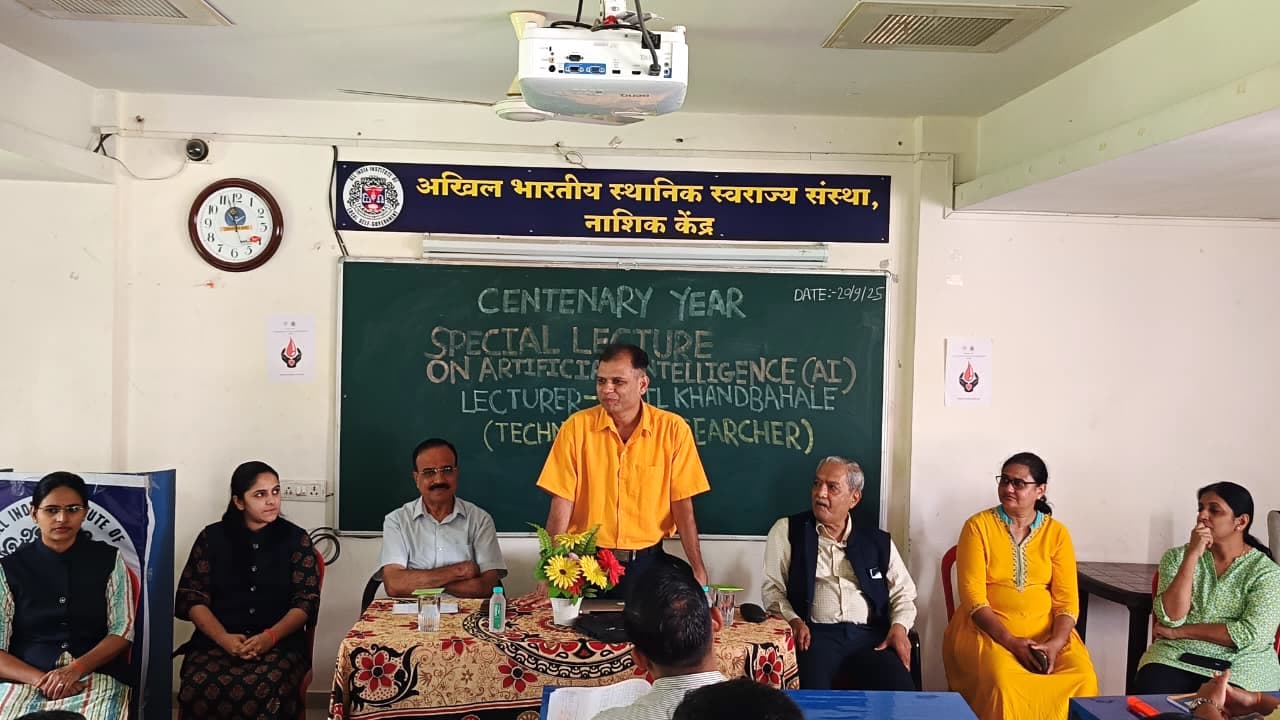
During the lecture, I shared real-world applications of AI across different public health and urban management roles:
- Paramedical & Nursing: AI diagnostic tools analyze X-rays and MRIs instantly; virtual nursing assistants guide patients 24×7.
- Lab Technicians: AI-based test reporting reduces errors. For instance, PathAI has lowered pathology errors in the U.S. by 80%.
- Nutritionists: Tools like IBM Watson Nutrition design personalized diet plans.
- Sanitary Inspectors: AI optimizes waste collection routes and uses smart sensors to track air and water pollution.
- Fire Safety & Disaster Management: AI cameras detect smoke/temperature changes; predictive analytics provide early warnings for floods, earthquakes, and epidemics.
From Aarogya Setu and e-Sanjeevani in India, to AI-powered malaria detection in Africa, to Japan’s AI earthquake prediction networks, the world is moving fast. Even in Maharashtra, AI is already being used for smart city traffic, waste management, and flood forecasting.
Career Pathways for Students
I emphasized to students that AI is not a threat to jobs but a transformer of roles. The jobs won’t vanish; instead, they will evolve.
New opportunities include:
- Data Technician in Health Labs
- AI-Enabled Medical Equipment Operator
- Smart City Health Officer
- Disaster Data Analyst
- Telemedicine Coordinator
Hospitals, municipal corporations, research institutes, and startups are already demanding such skill sets.
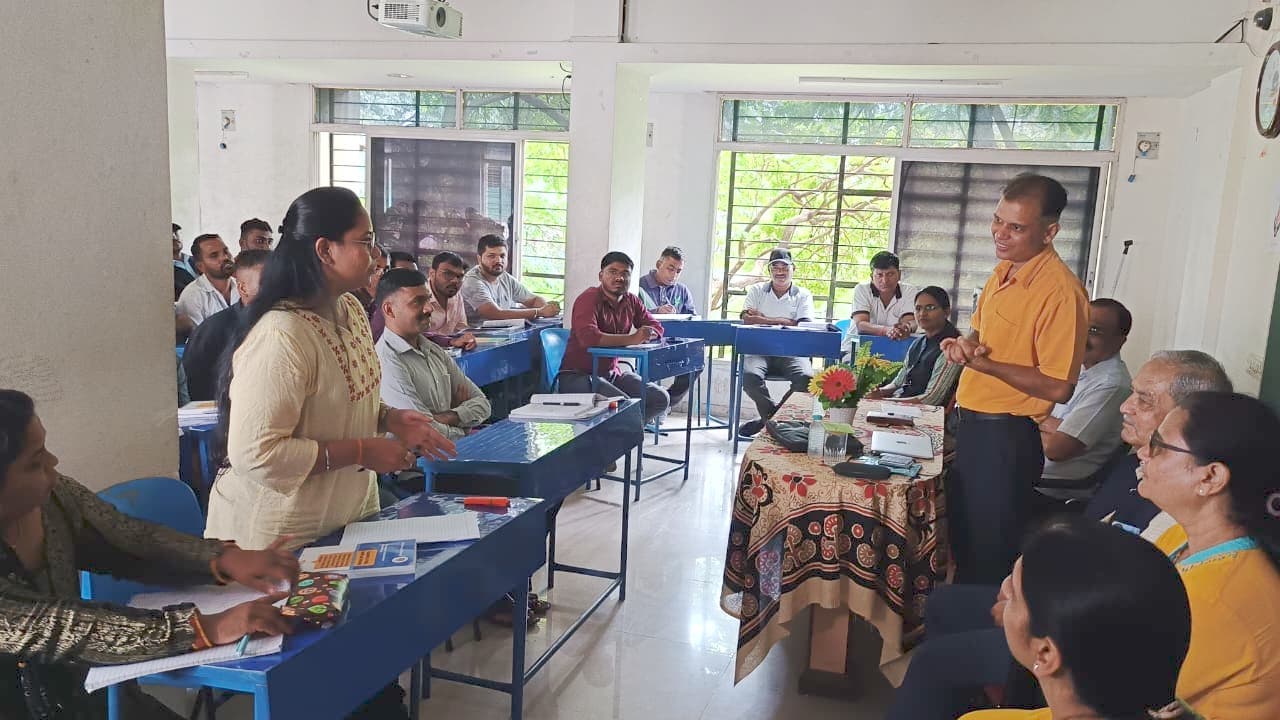
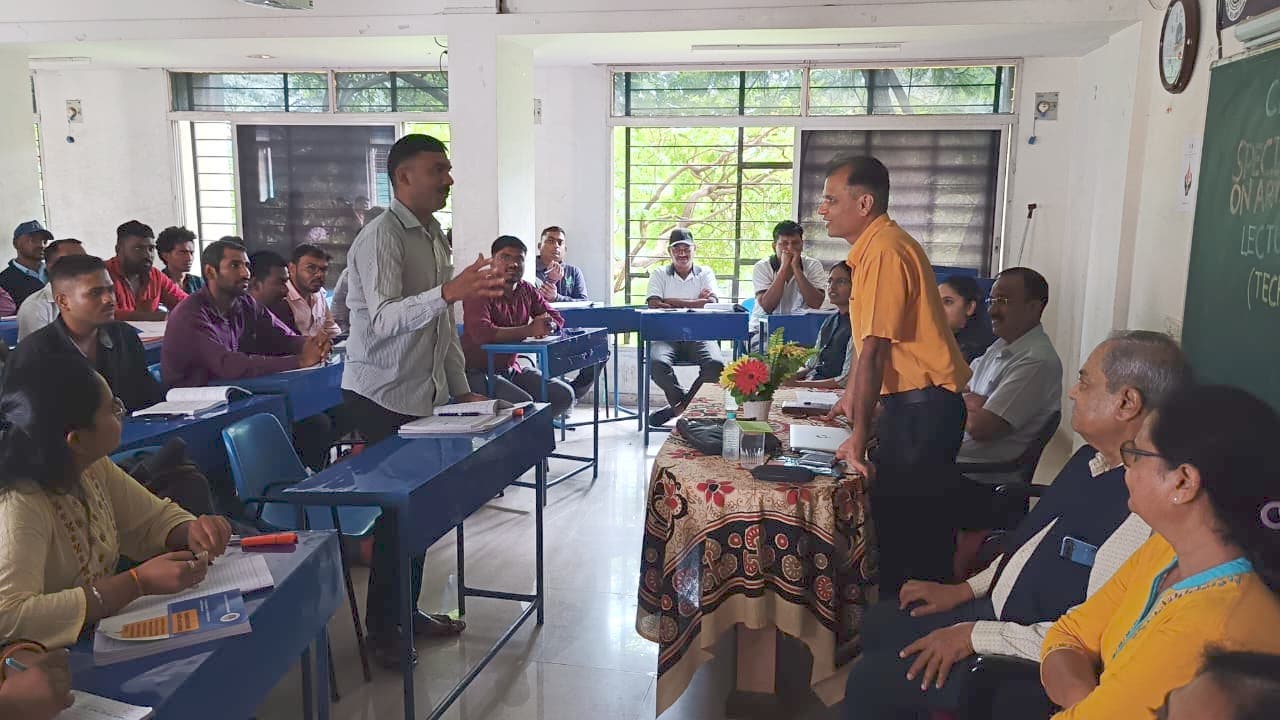
For learning, I suggested:
- Start with digital literacy (basic computer, Excel, data handling).
- Free online courses – AI for Everyone (Coursera), Google AI, NPTEL (with Marathi subtitles).
- Practical projects – create small AI models using lab or local health data.
- Practice AI prompts – for research, case studies, and policy analysis.
- Networking – join hackathons, AIILSG projects, and local startup events.
Ethics, Spirituality & The Human Touch
While technology provides speed and accuracy, the real essence of healthcare is human connection and ethics. AI brings efficiency, but spiritual intelligence brings direction.
I firmly believe that knowing oneself is the foundation of serving others. A professional who is self-aware, compassionate, and ethical will always find fulfillment and pride in their work.
I encouraged the students to not just be medical professionals but guardians of humanity.
- Technology will give you power.
- Spirituality will give you purpose.
At the end of the session, we practiced a short breathing exercise to remind ourselves that before we serve others, we must first be grounded in our true self.
Dignitaries & Organizers
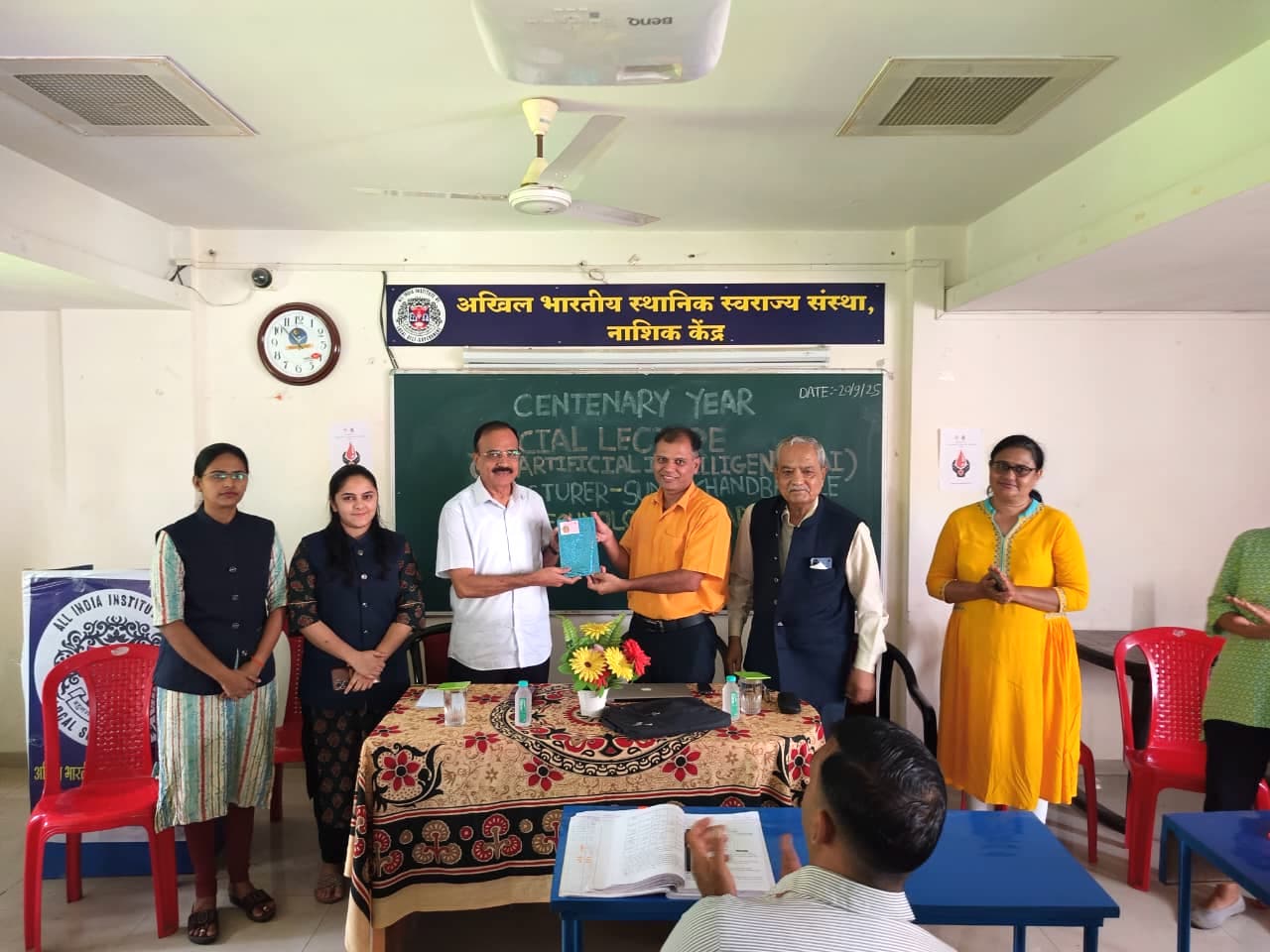
The program was hosted at AIILSG Nashik under the guidance of Mr. Jeevan Sonawane (Regional Director, AIILSG). Distinguished dignitaries present included:
- Dr. K.M. Sonawane
- Mr. Rajshree Khade
- Mr. Varsha Jadhav
- Faculty and staff from AIILSG Nashik
Their constant support in training and empowering youth for healthcare, local governance, and disaster management is commendable.
Closing Thoughts
Artificial Intelligence is not an enemy; it is an ally. But it must always work hand-in-hand with human values.
As I told the students:
“You are not just healthcare workers, you are protectors of humanity. Technology will give you strength, but spirituality will give you direction. The true healer is one who knows oneself, loves oneself, and serves others with honesty and compassion.”
The enthusiasm of the students convinced me that the future of public health in India is in safe and capable hands. Together, with AI, ethics, and spirituality, we can build a healthier, just, and humane future.
✍️ Written by
Sunil Khandbahale
Innovator | Entrepreneur | Researcher
🌐 sunilkhandbahale.com
📷 (Attach photos and Lokmat news clippings here for social media sharing)